
Your DPF Needs Regular Attention in Texas Driving
A diesel particulate filter traps soot produced by a diesel engine and periodically clears accumulated material through regeneration. Drivers around Austin deal with plenty of conditions that can interrupt an otherwise straightforward day, and a DPF problem can add another. Watching the system early can help keep a dashboard warning from progressing into a US-290 semi towing call.
DPF care does not require drivers to diagnose an emissions system from the cab. It means recognizing normal regeneration behavior, responding to warnings, and knowing when the truck needs professional diagnosis.
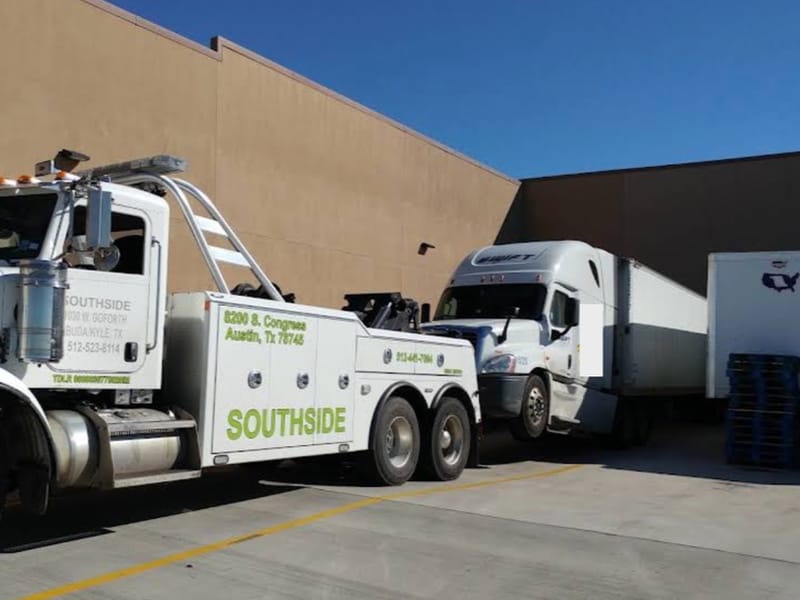
Heat and Regeneration Go Together
The DPF needs suitable operating conditions to complete regeneration. Highway driving can help some trucks reach the temperatures required for normal passive or active regeneration, while extended idling and low-speed operation can contribute to soot accumulation.
A truck may also request a parked regeneration under certain conditions. Follow the manufacturer’s procedure rather than relying on a routine learned from a different truck.
Build DPF Checks Into Your Driving Routine
Start with the dashboard. A warning that disappears after a successful regeneration may have been resolved, but one that returns deserves attention. Waiting for noticeable power loss increases the chance that the next step becomes semi towing around US-290.
Drivers can keep the routine simple:
- Check DPF and emissions lights before departure
- Notice changes in regeneration frequency
- Follow manufacturer instructions for regeneration
- Keep track of long periods of idling
- Watch for changes in engine performance
- Arrange diagnosis for recurring warnings
Do not judge the filter only by how the truck feels. Early in the process, the truck may still drive normally while soot continues accumulating or another emissions fault remains active. Acting while the truck is still mobile can help avoid US-290 truck towing farther into the route.
Reduced Power Is a Different Stage
If the truck begins limiting power or speed, the situation has moved beyond an ordinary dashboard reminder. The control system may be responding to a fault that requires diagnosis before normal performance returns. A truck that can no longer continue normally may require heavy truck towing near US-290.
Repeated DPF problems also deserve a closer look. Soot accumulation can be part of the issue, but a recurring warning does not automatically tell a driver which component is responsible. Diagnosis is a better route than repeatedly clearing warnings and risking another US-290 commercial truck towing call.
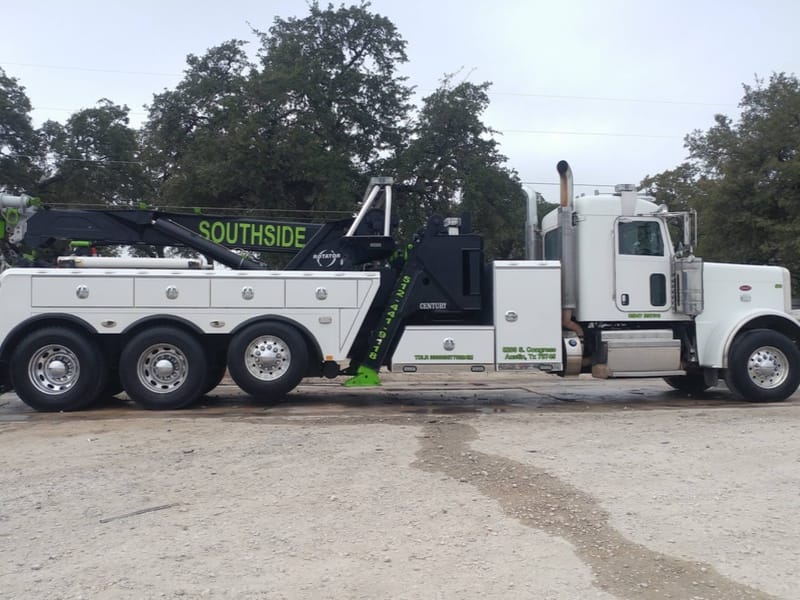
Southside Wrecker: US-290 Semi Towing Truckers Can Count On
Southside Wrecker & Heavy Duty Semi Truck Towing has served the Austin area since the 1970s, with a focus on heavy-duty towing and recovery. Our team continues its training and works throughout Travis, Hays, Williamson, Burnet, and Blanco counties. We also work with law enforcement agencies and fire departments and provide heavy towing along US-290 when commercial vehicles cannot continue their trips.
Our experience includes responding to significant incidents as well as everyday heavy-duty towing needs. For truckers, the best DPF problem is the one addressed while the truck can still reach service under its own power. If the problem progresses beyond that point, US-290 semi towing gives drivers a way to move a disabled rig toward the next stage of repair.
FAQs
How often should truckers check the DPF system?
Drivers should watch the dashboard every day and note any change in regeneration behavior. Recurring warnings deserve attention even if the truck still feels normal.
Can highway driving help a DPF regenerate?
Yes. Sustained driving can help some trucks reach the exhaust temperatures needed for regeneration.
Why does idling make DPF problems worse?
Long periods of idling may keep exhaust temperatures too low for normal regeneration. That can allow soot to build up faster.
What does it mean if regeneration happens more often than usual?
It can indicate that the filter is filling more quickly or that another emissions issue is present. A technician should check repeated changes.
What happens when a truck starts to derate?
The truck’s control system reduces power or speed after detecting certain faults. The restriction can become more severe if the underlying problem is not addressed.
Should a driver keep going after a DPF warning returns?
No. A warning that keeps coming back should be diagnosed rather than repeatedly cleared or ignored.