
The Roadside Clock Starts Now
Major highways carry a steady mix of passenger traffic, delivery vehicles, and tractor-trailers. A disabled semi can quickly affect far more than one driver. Lane access, traffic flow, cargo condition, and the truck’s position may all become factors within minutes. For drivers or fleets that may need US-290 semi towing, the first ten minutes are a valuable window.
Once immediate medical needs have been addressed, the driver should focus on accurate observations rather than trying to diagnose mechanical damage. A damaged vehicle may have steering, suspension, brake, axle, or coupling issues that are not obvious from the cab. Drivers should follow instructions from police or fire crews and avoid repositioning the truck unless directed to do so. A few clear details from the scene can tell responders much more than a rushed attempt to explain every possible problem.
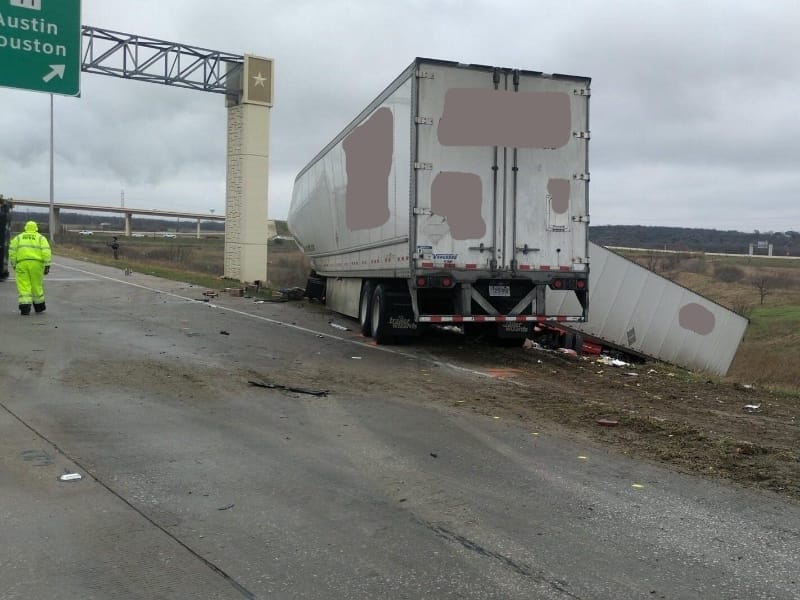
Small Details Can Shape a Large Recovery
Commercial trucks create recovery challenges that passenger vehicles rarely present. The tractor may remain upright while the trailer sits at an angle. Cargo may shift without visible exterior damage, or damaged wheels may change how the truck can eventually be moved. Dispatchers benefit from knowing the truck type, trailer type, visible damage, direction of travel, and exact location as early as possible.
Drivers can make the first call more useful by having a short list of facts ready:
- Closest mile marker, exit, or crossroad
- Tractor and trailer configuration
- Number of lanes affected
- Visible tire, wheel, axle, or body damage
- Known cargo concerns
- Instructions already given by emergency personnel
- Fleet or company contact information
Keeping those details organized also helps when several parties need updates. Police, a fleet manager, an insurer, and a towing dispatcher may each need information, so sticking to confirmed facts reduces confusion as the response develops.
The Towing Plan Depends on What Responders Learn Early
A request for semi towing on US-290 can involve anything from a disabled tractor on the shoulder to a combination vehicle that cannot roll normally. The towing company needs to know what can be confirmed before deciding how to approach the job. Early descriptions of wheel condition, trailer position, road access, and cargo concerns help narrow the possibilities before the recovery crew reaches the scene.
Conditions can also change after the first call. Law enforcement may close another lane, the truck may settle differently, or responders may discover additional damage that affects heavy-duty towing along US-290. Fleet managers arranging a tow truck service for semis on US-290 should continue passing along confirmed updates so the towing provider works from the latest information available.
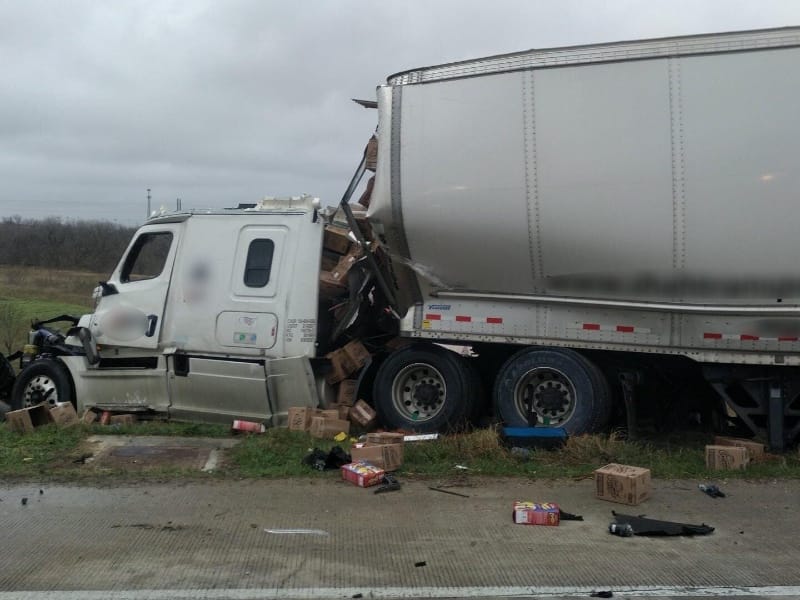
Southside Wrecker and Heavy-Duty Semi Truck Support Along US-290
Southside Wrecker & Heavy-Duty Semi Truck Towing has served the Austin area since the 1970s. Our focus is on heavy-duty towing and recovery. Our team uses an intensive training process for drivers moving into heavy-duty work. Including ride-along evaluation and time working with truck mechanics to learn more about axles, brakes, and other major systems. That background supports our approach to commercial truck towing near US-290, where the condition and configuration of the truck can influence every recovery decision.
Our fleet includes two 50-ton rotators, a 65-ton rotator, a 50-ton straight stick, two 25-ton single-axle trucks, and multi-functional tractors equipped for towing and hauling. We also limit the work we accept to jobs that fit our available capacity, allowing each call to receive appropriate attention. For semi truck recovery along US-290, we rely on clear information from the scene, ongoing training, and equipment selected around the actual demands of the job.
FAQs
Should I disconnect the trailer after a semi crash?
Usually, no. Disconnecting a damaged trailer can create new hazards if the landing gear, coupling, frame, or cargo has been affected. Wait for instructions from qualified responders.
What if the truck is blocking only part of a traffic lane?
Report exactly how much of the roadway is blocked and follow law enforcement instructions. Even partial lane obstruction can affect traffic control and recovery planning.
Can an accident damage a truck without leaving obvious marks?
Yes. Steering, suspension, brakes, driveline components, and connections between the tractor and trailer can sustain damage that is difficult to see from outside.
Should I open the trailer to check the cargo?
Avoid opening the trailer unless responders or your company procedures tell you to do so. Shifted cargo can move suddenly when doors are released.
What records should a commercial driver keep after a crash?
Save photos, police information, towing paperwork, insurance details, and notes about the incident. Fleet policies may require additional documentation.
Can weather change how a semi truck is recovered?
Yes. Rain, ice, wind, soft shoulders, and poor visibility can influence access and how responders approach the truck. Conditions may also change while recovery work is being organized.