
No Room to Spare
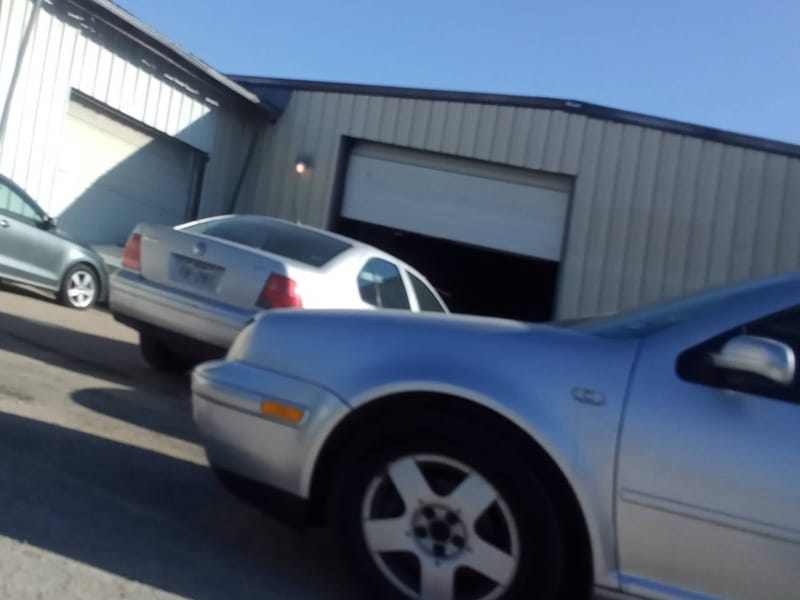
We pull into a garage and the first thing we check isn’t the car, it’s the height bar. If the tow truck doesn’t clear that, the rest doesn’t matter. Concrete pillars, narrow lanes, and low lighting come next. By the time we reach the vehicle, we already know this won’t be a quick in-and-out job. That’s usually how Pflugerville towing looks in these spaces.
The Problem Starts Before the Hookup
Clearance dictates everything. Some garages leave just enough room for a standard pickup, so we switch plans before we even begin. We look at the slope of the ramp, how tight the turns are, and where we can actually position the truck.
The vehicle itself is rarely sitting straight. Wheels are turned, sometimes locked, and there’s often another car parked too close on one side. That limits how we line things up, so we adjust in small steps instead of trying to fix everything at once.
Getting Positioned Takes Time
Most of the work happens before the vehicle moves. We ease the truck into place, stop, check angles, and adjust again. It’s not dramatic, just repetitive and slow.
A few inches off can mean contact with a pillar or scraping along a wall. So we line it up, step out, look again, and make another correction. That back-and-forth is part of the job in tight garages.
Angles Matter More Than Force
Ramps and transitions are where problems show up. A low car coming up too steep can catch the front bumper or underside. We control the angle from the start so that doesn’t happen.
We also keep an eye on how the wheels track during the pull. If they shift the wrong way, it puts pressure where it shouldn’t. Fixing that early avoids bigger issues once the car starts moving.
What Actually Helps in These Spaces
We don’t bring the same setup we’d use on an open road. Space decides what works, so we adjust before we roll in.
Here’s what we rely on most:
- Lower-profile equipment that fits under tight height limits
- Gradual loading instead of one continuous pull
- Repositioning the truck mid-process if needed
- Watching wheel direction the entire time
None of this is complicated on paper. It just takes longer because every step depends on the one before it.
Planning the Way Out First
We don’t start with the hookup. We start with the exit. If the path out doesn’t work, there’s no point moving the car yet.
That means checking turns, clearance at the ramp, and where the truck ends up once the vehicle is loaded. Getting stuck halfway out creates more problems than the original situation.
Every Garage Feels Slightly Different
Even if two structures look similar, they don’t behave the same. One might have a tighter turn near the exit, another might dip more sharply at the ramp.
So our Pflugerville towing team adjust as we go. Sometimes that means stopping mid-process to reset positioning. It’s not ideal, but it keeps things controlled.
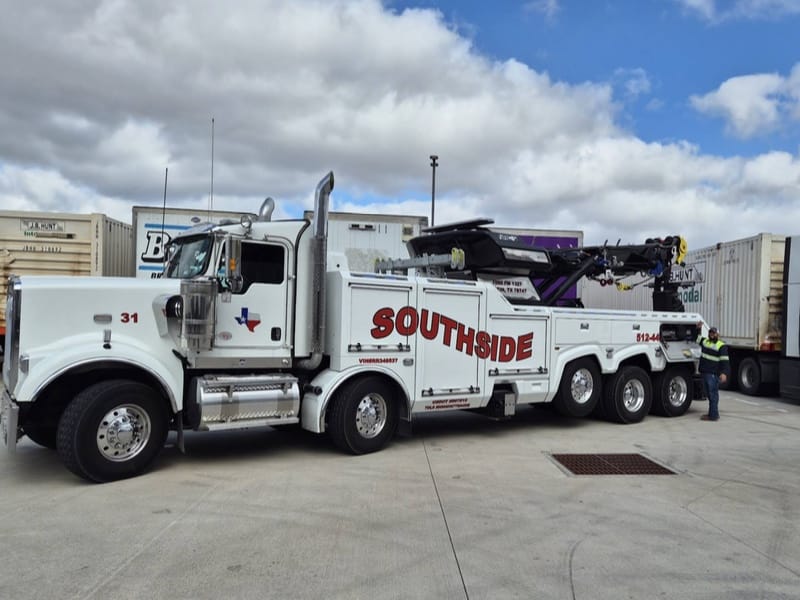
Southside Wrecker Handles Pflugerville Towing Professionally. Tight Space or Not.
At Southside Wrecker, we approach every Pflugerville towing job in tight garages by slowing the process down and working through it step by step. We don’t rush the setup, and we don’t force movement if something looks off. In these environments, Pflugerville towing depends on how well we manage space, angles, and timing. Our Pflugerville towing experts keep repositioning until everything lines up, then move the vehicle in short, controlled pulls. That’s how we handle Pflugerville towing without adding damage, even when the space works against us.
FAQs
Can a tow truck enter most parking garages?
Some can, but not all. Height limits often prevent standard trucks from entering. In those cases, smaller or lower-profile setups are used instead.
What happens if my car is too low to pull onto a ramp?
We adjust the angle before moving the car. That can include slowing the pull or repositioning to reduce scraping. The goal is to keep the underside clear.
Is it harder to tow a car that is parked at an angle?
Yes, it adds extra steps. We usually need to straighten the wheels or reposition slightly before pulling. It takes more time to avoid contact with nearby objects.
Can tight spaces cause damage during a tow?
They can if the process is rushed. Walls, pillars, and ramps leave little margin for error. Careful positioning helps prevent that.
Do you ever need to move other cars first?
Sometimes. If access is blocked, clearing space may be the only option. It depends on how the vehicles are positioned.
How long does a garage tow usually take?
It often takes longer than a roadside job. The setup alone can take several minutes. Each adjustment adds time, but it keeps things controlled.