
Fatigue is a Quiet Risk that Shows Up Fast
Fatigue can quickly turn a normal run into a hard stop. Long hours, steady road noise, and repeat scenery can dull attention in ways that feel minor at first, then snowball without warning, especially on routes where the need for a I-35 semi towing crew becomes a real possibility. Tired eyes miss small cues like a drifting trailer line, a late brake tap, or a gust hitting the wrong angle. Deadlines add pressure, and pressure can nudge people into cutting corners with rest. It starts as a simple calculation: one more exit, one more mile marker, one more delivery window. That choice rarely looks dramatic in the moment, but the road keeps score over miles, not minutes.
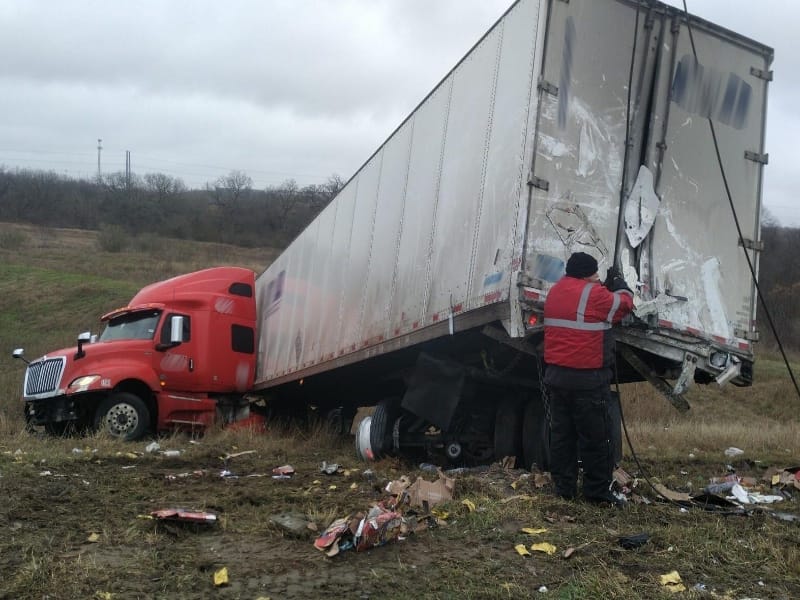
What Tired Driving Looks Like in Real Time
Fatigue rarely feels like sleepiness at first, so drivers misread the warning signs. The pattern shows up in the details: slower lane corrections, late mirror checks, and a growing habit of riding the rumble strip. Reaction time drops, and the body starts taking “micro rests” that last just long enough to miss a brake light. The scary part is how normal it can feel until something forces the issue.
The Math that Works Against You
Hours add up differently at highway speed. At 65 miles per hour, a two second lapse covers a lot of asphalt, and a loaded rig does not get that distance back with a quick stomp. Add night driving or monotony, and the brain starts filtering out information it should keep. That is why early stops matter more than heroic finishes.
Deadlines Do Not Steer the Truck, Choices Do
We get it, freight has a schedule and everyone downstream feels the squeeze. Still, the road does not reward urgency, and fatigue can make a strong driver act like a distracted one. We have seen loads delayed by a tow and recovery that started with a simple choice to keep rolling past a safe stopping point, then escalated when judgment slipped.
If you drive or dispatch, you can protect the schedule by planning for the human part of the job, and that includes real rest. We hear the same story on I-35 semi towing scenes: the day went long, traffic ate the buffer, and the driver tried to “make it up” with fewer breaks. That trade usually costs more time than it saves, especially when it gets to the point of needing heavy duty towing.
Habits that Help Before Things Get Sketchy
We like practical routines because they work on busy days. Here are a few that reduce fatigue risk without turning the trip into a chore:
- Build a buffer that assumes delays, not a perfect day.
- Treat rest stops like fuel stops, planned and non negotiable.
- Swap drivers earlier than you think you need to.
- Keep the cab cool and bright enough to stay alert, then stop when that stops working.
These habits help cut down the calls that end in I-35 semi towing, because they keep small errors from stacking.
If the Warning Signs Show Up, Act Early
Yawning, heavy blinking, and wandering thoughts count as signals, not quirks. If you miss an exit you know well, your brain already slipped into low power mode, and you need a break. We would rather see a rig parked safely for 20 minutes than meet it later on a shoulder with hazards flashing. That mindset lowers the odds that I-35 semi towing becomes the next item on your route.
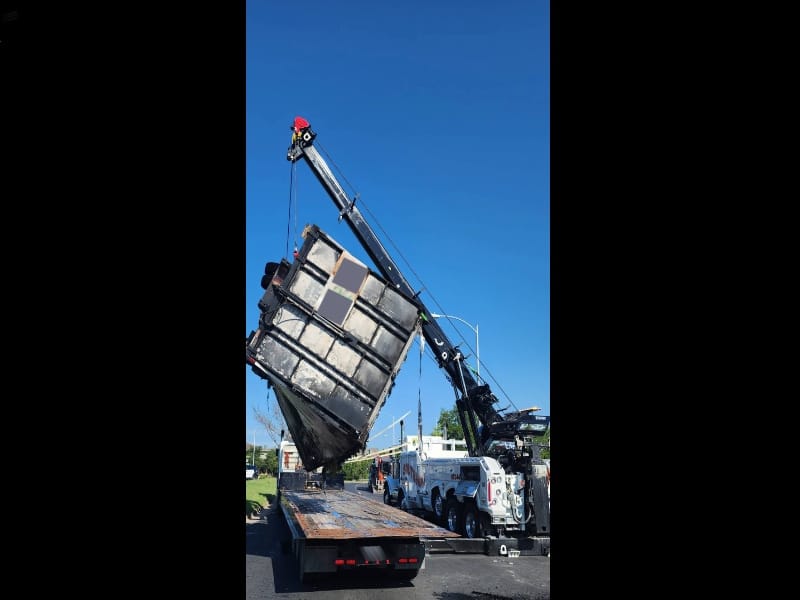
Southside Wrecker and I-35 Semi Towing Support for Drivers and Fleets
We run Southside Wrecker with one goal in mind: show up prepared, communicate clearly, and help you get moving again without adding chaos to an already rough day. Our I-35 semi towing work includes heavy duty towing, heavy duty recovery help, and roadside support for trucks that cannot safely continue under their own power. We coordinate with drivers and dispatch so the scene stays calm, traffic stays as controlled as it can, and the next steps stay simple.
We also know that fatigue sits in the background of many breakdowns and mishaps, so we keep our approach steady and respectful. When you call Southside Wrecker for I-35 semi towing, we focus on the basics that matter on the shoulder: smart positioning, clear signals, and a plan that fits the truck, the load, and the conditions. If you are dealing with a long night and a tight clock, we will help you solve the immediate problem and get you pointed toward a safer next stop.
FAQ
What is driver fatigue, and why does it get dangerous so fast?
Driver fatigue is a drop in alertness caused by lack of sleep, long hours, stress, or monotony. It becomes dangerous quickly because it slows reaction time, narrows attention, and increases mistakes during braking, lane control, and hazard spotting.
What are the earliest signs that a driver needs a break?
Early signs include frequent yawning, heavy blinking, trouble focusing, missing a turn you normally would not miss, and drifting within the lane. If you catch yourself rereading signs or forgetting the last few miles, that is your cue to stop.
How much rest actually helps if a driver feels worn down mid trip?
A short stop can help, but it depends on the level of fatigue. A 15 to 30 minute nap can reduce drowsiness for a limited window, while a full sleep period is the real fix. If the driver feels a strong pull to sleep, a quick break will not be enough.
Can caffeine replace sleep for a long haul run?
No. Caffeine can mask sleepiness for a short time, but it does not restore attention or decision making the way sleep does. It also wears off, and the rebound can feel worse if the driver keeps pushing.
What should dispatchers and fleet managers do to reduce fatigue risk?
Build realistic schedules, add buffer time for delays, and encourage breaks as part of the plan. Rotate tough shifts, avoid stacking long days back to back, and treat a fatigue report like a safety issue, not a performance issue.
What should a driver do right away if they feel drowsy behind the wheel?
Signal, exit safely, and park in a legal spot. Set a short timer, nap if needed, hydrate, and reassess honestly before moving again. If alertness does not return, the safest choice is to stop for proper sleep.