The Hidden Math Behind Every Heavy Tow
Many big recoveries don’t start at the shoulder. They start at the desk. Before a rig ever moves on an I-35 heavy recovery, there’s paperwork to file, clearances to check, and weight limits to run. One bad number can shut down a route, sideline a crew, or worse, put a load in the ditch. Towing something oversized often turns into a numbers game, and every digit matters. Bridge heights, axle weights, and permit approvals keep a heavy tow from turning into a very public problem. It’s the kind of preparation that keeps traffic flowing, cargo secure, and overpasses intact.
Bridge Clearance: Inches That Matter More Than You Think
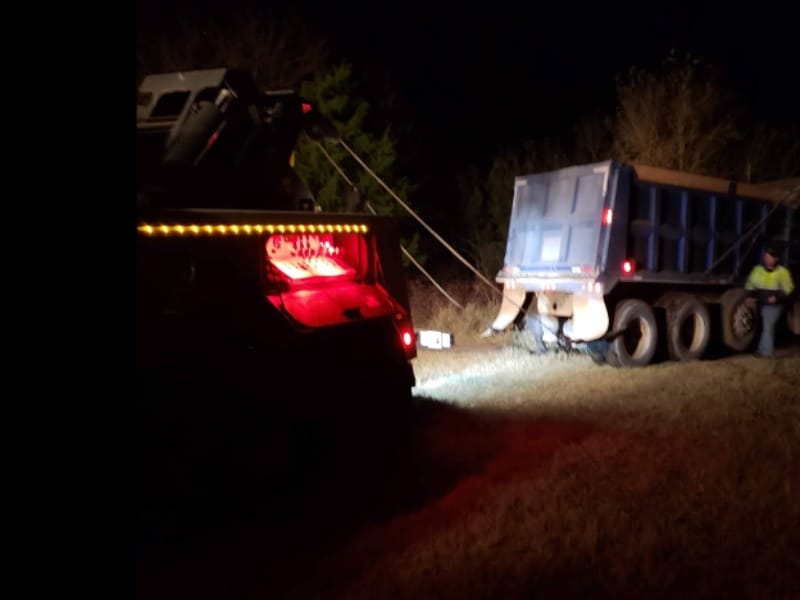
Every heavy tow has a height, and every highway has its limits. On I-35, those limits can change with just one overpass or exit ramp. We measure, double-check, and then run our planned route against official clearance data from TXDOT. That’s when things get interesting.
Some overpasses are labeled clearly. Others? Not so much. And signage doesn’t always tell the whole story. Repaved roads or resurfaced bridges can shift clearances by an inch or two—just enough to matter when you’re carrying a 13’9″ load under a 14’0″ bridge. That’s why we don’t guess. We call, verify, and sometimes reroute, even if it adds miles. Saving 20 minutes isn’t worth getting wedged under an overpass.
Axle Weight: the Load Beneath the Load
Axle weight doesn’t just determine what we can haul, it also determines how we can haul it. On a heavy recovery tow, we look at more than just the total weight. We calculate the distribution across each axle, check for legal thresholds, and make adjustments before we hit the road.
Too much weight on a single axle? That’s a ticket, or worse: an accident waiting to happen. Our trailers are configured to shift and distribute that load properly, whether we’re dealing with machinery, a flipped semi, or a burned-out box truck. Planning for axle weight is where the job either stays smooth…or becomes an expensive headache.
Here’s what typically factors into our axle weight plan:
- Total gross vehicle weight rating (GVWR)
- Axle group configurations
- Load placement and securement
- Tire ratings and condition
- State-by-state weight allowances and bridge formulas
Permits: Paperwork With a Pulse
Nothing about I-35 heavy recovery happens without the right permits. For oversized and overweight loads, that often means state-level permissions, escort requirements, and sometimes even route inspections. We apply early, and we plan for red tape delays.
Permits also vary based on:
- Time of day (some areas restrict oversized travel to daylight hours)
- Day of the week (weekend limits are real)
- Weather conditions (rain can cancel a permitted move)
- City or county ordinances (even if the state gives the go-ahead)
One missed permit can mean fines or forced unloading. We don’t roll the dice.
Southside Wrecker Keeps Your I-35 Heavy Recovery Moving
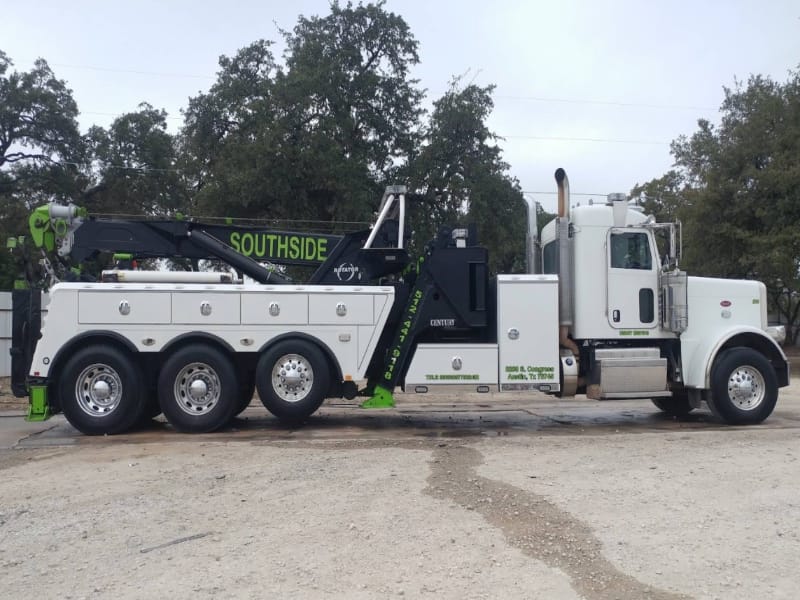
At Southside Wrecker, we plan every I-35 heavy recovery like it’s the only job on the calendar. Because in some ways, it is. One bridge misread, one axle overlooked, and that job becomes the story of the week. For all the wrong reasons.
Our I-35 heavy recovery crew digs deep into every route. We crosscheck bridge heights, confirm axle distributions, and handle permits long before the first mile. That’s how we’ve made I-35 heavy recovery our wheelhouse. It’s more than a big truck and a heavy chain: it’s brains, prep, and teamwork. We’ll take the scenic route if it means a safer haul.
And yeah, our I-35 heavy recovery team will clear that bridge. Every time.
FAQ
How do I know if a tow is considered oversized?
A tow is considered oversized when the vehicle or load exceeds standard height, width, length, or weight limits set by state or federal guidelines. This often includes large machinery, buses, or loaded trailers.
Can I tow heavy equipment without a special permit?
No. Heavy equipment tows usually require permits. These permits confirm the route, load weight, and vehicle configuration meet safety and legal standards before the tow can proceed.
What happens if bridge clearance is miscalculated?
Miscalculating bridge clearance can cause serious damage to both the structure and the load. It can also result in traffic shutdowns and legal consequences for the tow operator.
Why does axle weight need to be evenly distributed?
Uneven axle weight can cause tire blowouts, trailer instability, and braking problems. Proper distribution helps maintain balance and prevents overload violations.
Do heavy tows require escorts?
Some do. Escort vehicles may be required for width, height, or route safety reasons. The need for escorts depends on the size of the load and the area’s traffic rules.
Can weather delay a heavy tow?
Yes. Rain, high winds, or icy roads can delay or cancel a scheduled heavy tow, especially if permits restrict movement to safe or dry conditions.